Tipper and Dog Maintenance Tips
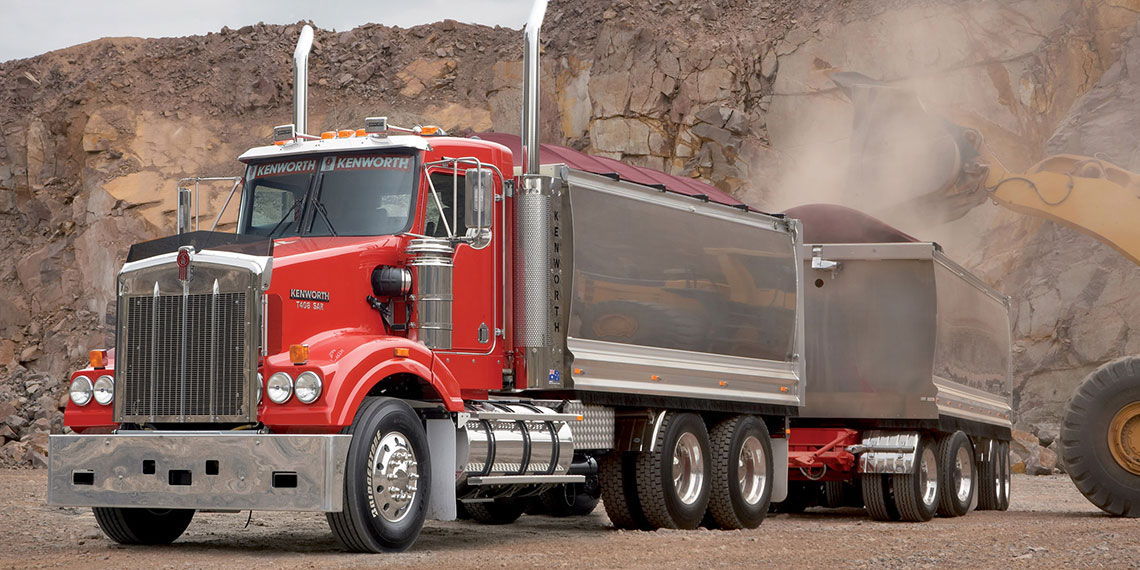
Owners and operators of tipper and dog trailers working in the construction industry know how hard their rigs work and that hard-working gear needs proper scheduled maintenance to remain in safe and efficient working order.
One of the key advantages of the PACCAR Parts network is its extensive national dealership footprint and the ability to supply parts from the front bumper all the way down to the trailer tail light. That’s the view of Matt Neilson, Truck Parts Manager for the Barry Maney Group in Mount Gambier, which has been keeping owner-operators mobile since 1977.

Who let the dogs out?
“PACCAR Parts dealerships and TRP stores are really a one-stop shop for all things tipper and dog trailer related, providing original equipment parts or quality TRP alternatives depending on the user’s requirements,” said Matt.
“When talking tipper dogs there are obviously a lot of parts to consider, from simple things like the tow-eye bush to more complex parts like hydraulic power take-off. But no matter how large or small, simple or complex, they’re all critical parts that need proper maintenance.”
Matt suggests chatting to the specialists at any one of the 48 PACCAR Parts Dealerships or 11 dedicated TRP Stores Australia-wide for information and assistance on maintenance tips and techniques. When considering trailer maintenance essentials, he recommends regular inspections for tow-coupling wear and tear, plus suspension and brake component condition checks.
“When you drill down into each of these areas the list quickly becomes much more comprehensive, covering turntables, tow hitches, tow eyes, and draw bar bushes, as well as suspension components, airlines, air bags, shock absorbers, and pivot bushes. You also need to consider axle components, including oil seals, wheel bearings and hub caps, plus brake parts, brake shoes, brake drums, slack adjusters, and brake boosters, as well as hydraulic couplings, air actuators, roller tarps and more.”
Matt says there are two types of trailer suspension, the old rocker/spring suspension and more modern airbag suspension. The spring suspension is one of the more popular setups and by design requires a minimal amount of maintenance. However, like any suspension used in ‘over the road’ operations, it requires periodic checks to ensure trouble-free performance.
“We recommend a six-month or 200,000km inspection that includes checking U-Bolt nuts, equaliser nuts, torque arm bolts and torque arm clamp nuts to ensure they’re all tightened to the correct torque settings. Remember that to ensure an accurate torque reading, the torque tool itself must be properly calibrated. We also recommend checking the fit of the hangers and equalisers to ensure continued good ride characteristics.”
“Suspension alignment and torque settings should also be checked outside of scheduled maintenance periods if you discover any loose suspension fasteners or elongated holes in the suspension components. Likewise, when bushings are replaced, or if you notice excessive or abnormal tyre wear.”
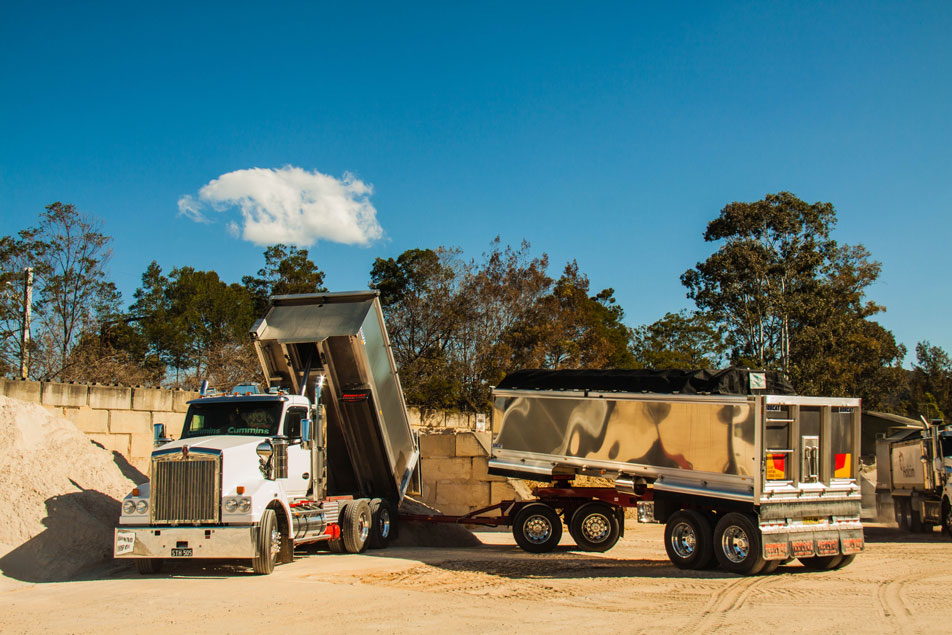
Another popular tipper and dog trailer setup is the air suspension system, says Matt. “When it comes to air suspension systems, we recommend checking the torque settings for all fasteners and inspecting for visual damage and wear every 25,000km or quarterly, and repairing and replacing any parts as necessary. Over and above that, we recommend a more comprehensive inspection every 100,000km or annually, which includes checking fastener torque settings and inspecting for visual damage and wear, checking all suspension bushings for wear and deterioration, and replacing or repairing as necessary.”
The 100,000km service also includes checks of leaf springs and U-bolts for wear and deterioration, visual inspection of the suspension, and repairing or replacing any worn or damaged parts, says Matt.
“We also recommend checking the axle alignment and readjusting as necessary. That’s especially important after there’s been severe kerb contact or other accidental damage, or if the trailing leaf spring pivot bush is replaced.” Matt notes that the maintenance schedules mentioned are the minimum recommended service requirements for trailer axles, and more frequent service and maintenance schedules could be required depending on operating conditions.
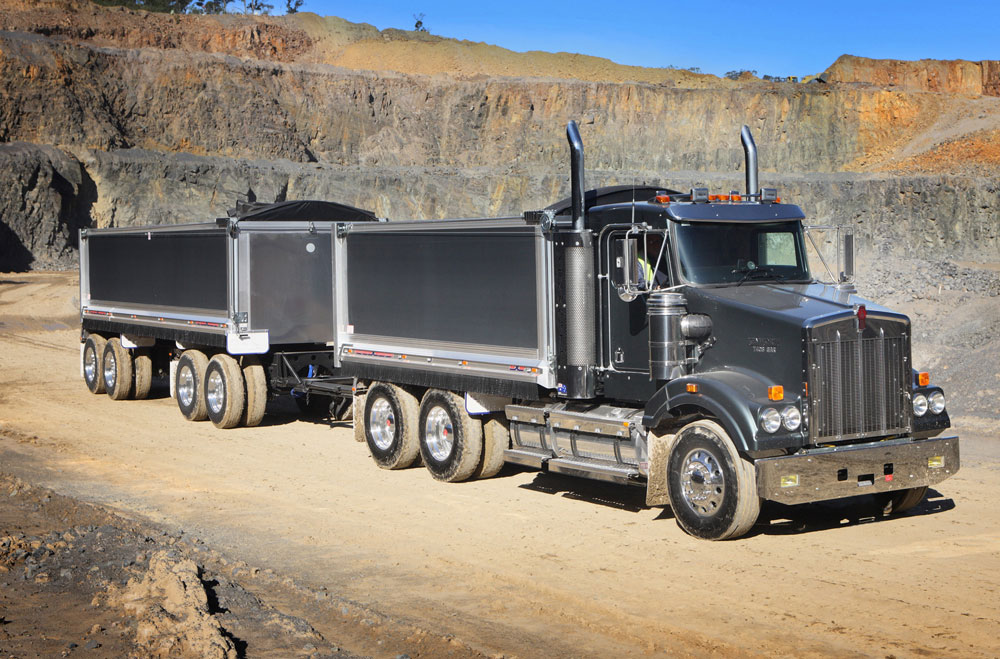
“These suspension systems are generally designed for operating on clean paved roads, so while use on graded or gravel roads is acceptable, for equipment that is regularly used off-road or off-highway we recommend halving the service intervals. In severe operating conditions, weekly and even daily inspections may be required to ensure safe and correct operation of the suspension and axle combination.”
“While there’s a lot to consider when talking tipper and dog trailer maintenance, one thing that’s pretty much universal is that, like us, trucks and trailers enjoy a good feed. When I’m talking feeding a truck or trailer, I mean grease, and plenty of it.”
"Greasing any piece of machinery and especially the stuff we're looking at with tippers and dog trailers, will not only make the components work better it will also enhance longevity and reduce wear and tear."
“Some people baulk at regular maintenance because of the cost, but the fact is that it saves money in the long run by limiting downtime, improving wear and tear on gear including tyres, and improves the overall performance and longevity of your equipment.”
PACCAR Parts stock parts for all makes and models of trailer suspension and axle, including popular brands like BPW, SAF-HOLLAND, FUWA K-HITCH, HENDRICKSON, MERITOR, YORK, JOST and a wide range of TRP alternatives.
If you’re seeking more information on PACCAR Parts’ industry-leading range of Tipper and Dog parts, check out the online version of the PACCAR Parts’ comprehensive Trailer catalogue or contact your local PACCAR Dealer to pick up a hard copy.